
The Most Common Interior Design Mistakes (and how to avoid them)
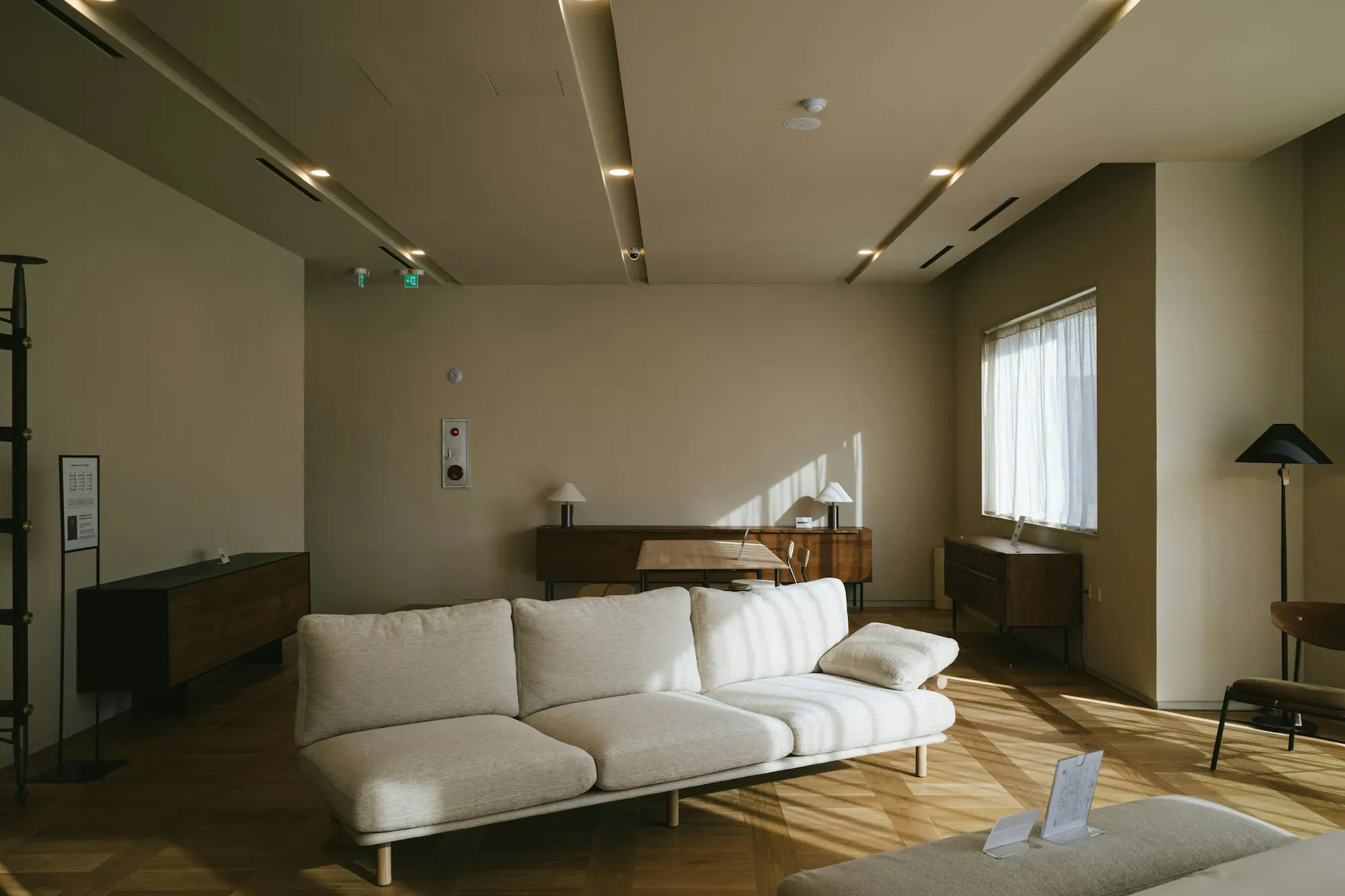
Successful interior design is more than just beautiful furniture and colors. In interior architecture, it is about designing spaces that are functional, harmonious, and atmospherically consistent.
However, especially in private spaces, mistakes often creep in that can be easily avoided with proper planning, knowledge, and a trained eye.
1. Lack of Planning: Furnished in haste, regretted at leisure
Many people begin the furnishing process with great enthusiasm but without a clear vision of the overall concept. This often leads to an inconsistent look or impractical solutions.
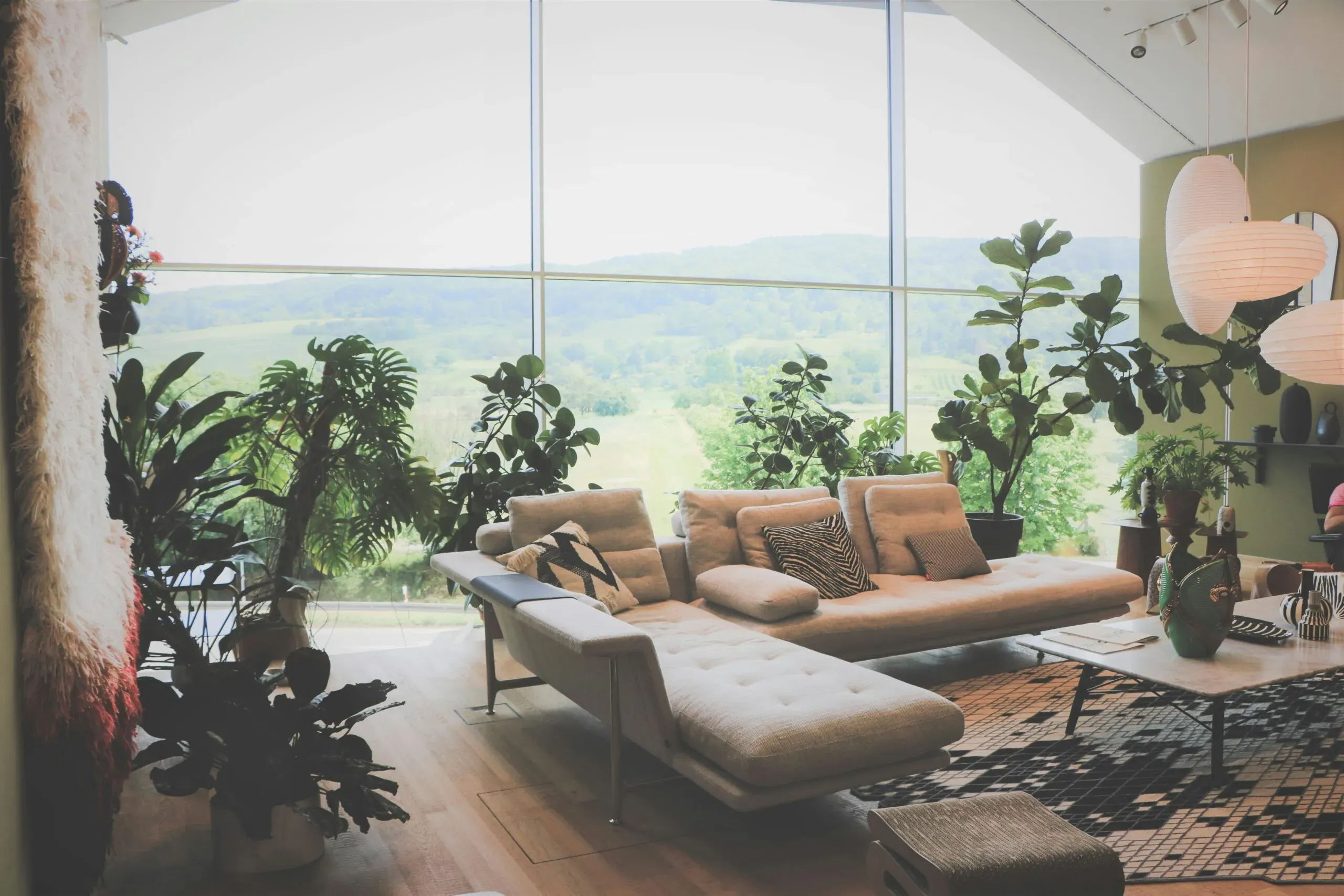
Why a concept is crucial
A well-thought-out room plan is the alpha and omega of design. Without clear goals or a visual guide, the result quickly feels accidental. Often, furniture is purchased that later doesn't fit properly: either functionally or visually.
With a clear concept, such bad purchases and disappointments can be easily avoided.
Tip: Create a moodboard beforehand, define the functions and needs of the room, and record the exact dimensions. Digital planning tools like Roomstyler or SketchUp help in developing a clear concept.
2. Too Much Furniture: Less is often more
A common mistake is overloading rooms with furniture or decoration. This quickly makes a space feel chaotic or cramped.
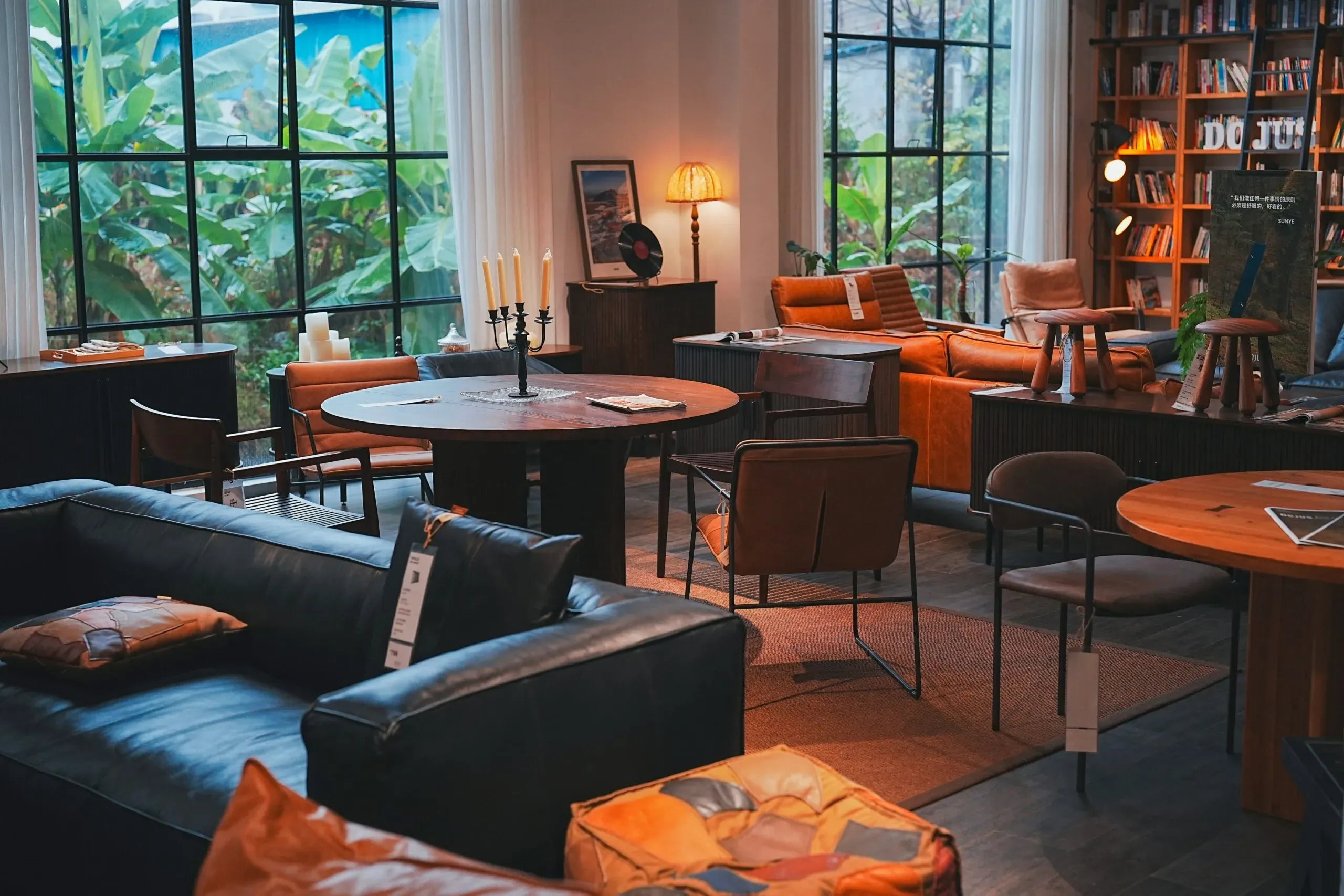
The classic: Overloading spaces
Even in large rooms, too many interior items can create restlessness. Fewer, consciously selected pieces often appear more harmonious. A room needs visual pauses so that individual elements can have an impact.
By intentionally leaving open spaces, you create room for atmosphere and light. This makes the space not only visually airier but also more functional. This allows special designer pieces to stand out, and the room remains inviting and open.
Tip: Focus on selected pieces with a clear function. Deliberately allow for air and empty space. This creates optical calm and structure.
3. Inadequate Lighting: One room, many light sources
Light is one of the most important but most underestimated factors in interior architecture. A single light source is rarely enough.
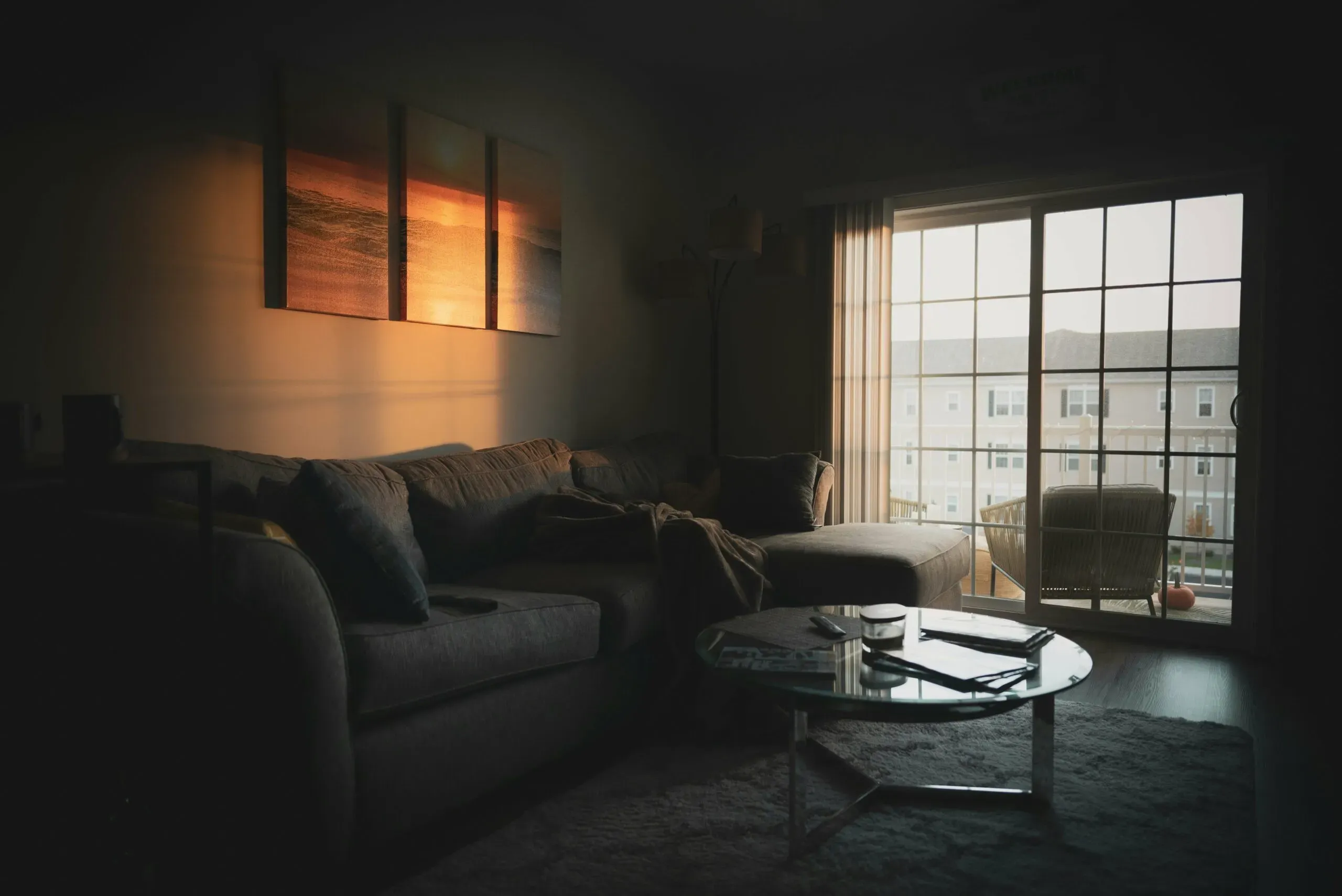
Light creates atmosphere
The right lighting is what makes a room truly usable and cozy. It can set accents, emphasize functions, and influence the mood.
Light influences how we perceive a space and can completely change its size or mood. Indirect light, for example, provides a cozy atmosphere, while direct lighting in work areas ensures better concentration.
Tip: Plan at least three light sources per room: basic lighting, zone lighting (e.g., reading lamps), and accent lighting (e.g., indirect LED strips). You can find inspiration at specialized sites like Licht.de.
4. Neglected Proportions: Choosing furniture correctly
The relationship between furniture size and room size is decisive. What looks appropriate in a massive furniture showroom can quickly look too large or too small at home.
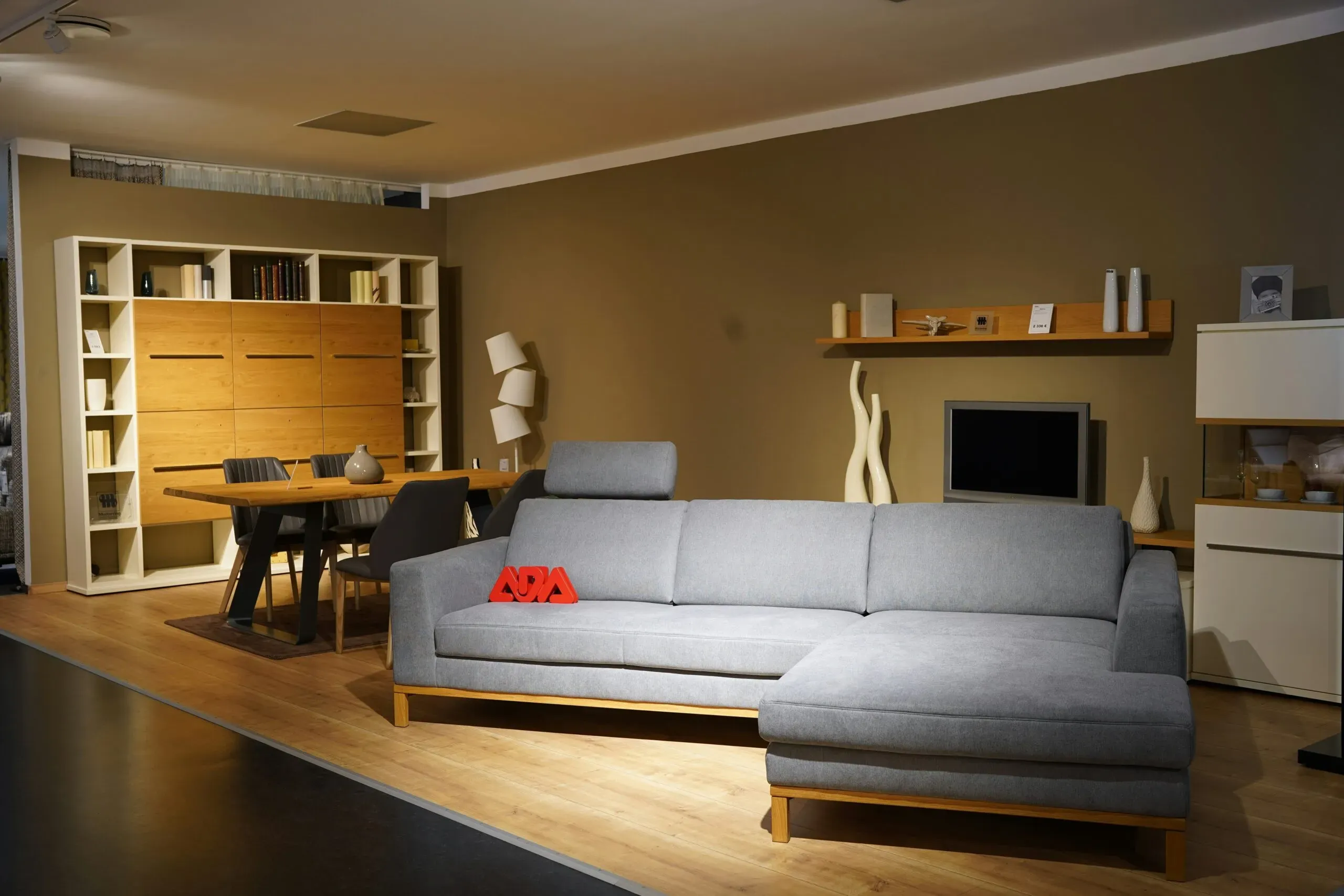
When the sofa is too big for the room
An oversized sofa in a small living room or a tiny rug in a vast dining room: such proportional errors disturb the balance.
Furniture that is too large blocks the room and feels oppressive, while furniture that is too small gets lost in large spaces. Balanced sizing ensures that the room remains both functionally and visually harmonious.
Tip: Measure the room exactly and check if the furniture fits the scale. Sketches or digital planners like Planner 5D help with this assessment.
5. Excessive Uniformity: Breaks in style can be revitalizing
While a completely uniform style looks tidy, it can quickly become monotonous. In these cases, it is worth working with contrasts.
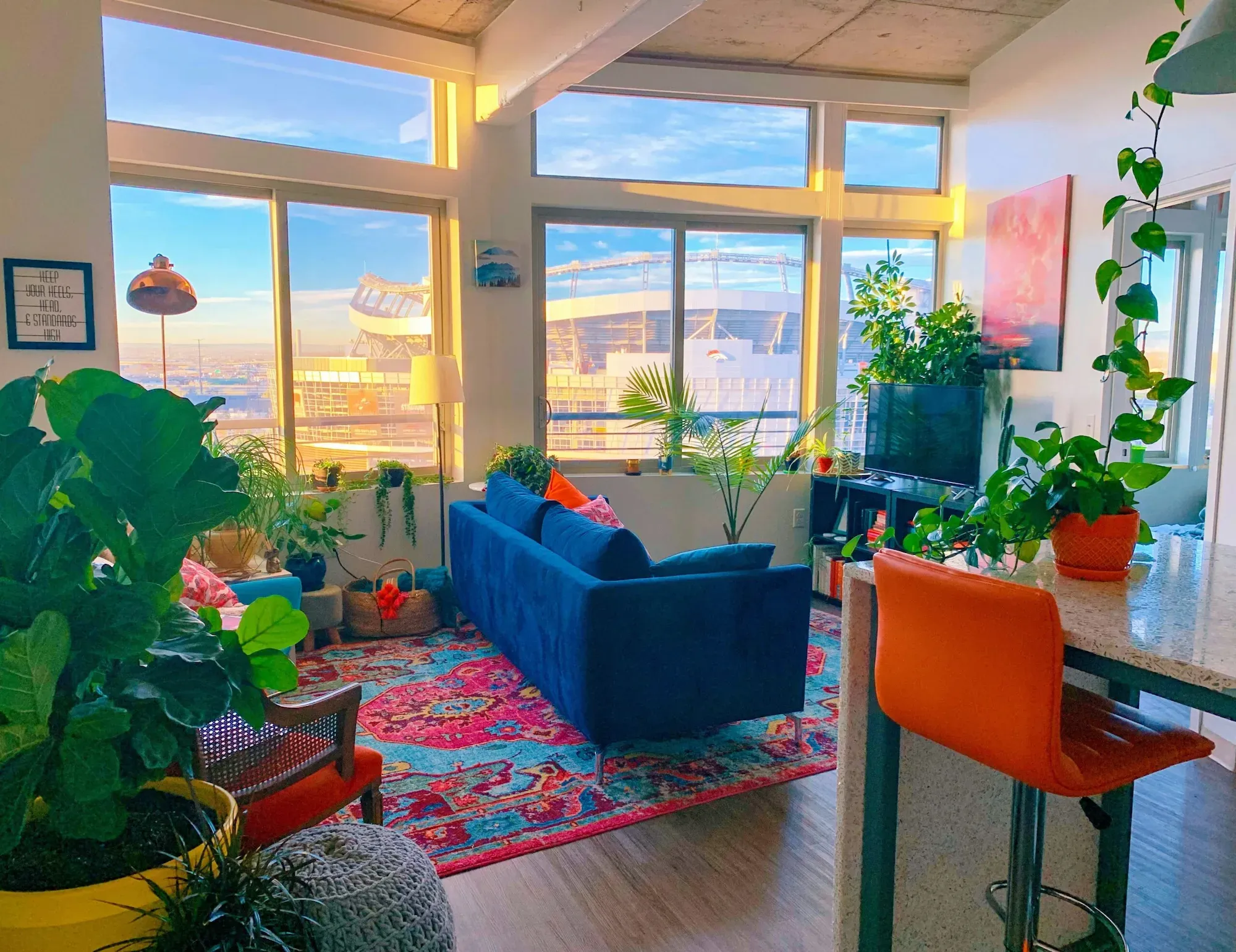
Courage to mix
Ein gezielter Stilbruch oder bewusst eingesetzte Akzente machen einen Raum lebendig und individuell – und bringen Charakter ins Spiel.
A targeted break in style or deliberately placed accents make a room lively and individual, bringing character into play.
By combining different styles, exciting contrasts are created that make the room unique. For example, a modern design can harmonize perfectly with an antique piece of furniture, or industrial elements can be balanced with soft, natural materials.
Tip: Combine materials, colors, and styles with intuition. An antique piece in a modern room or a bold accent color brings personality to the space.