
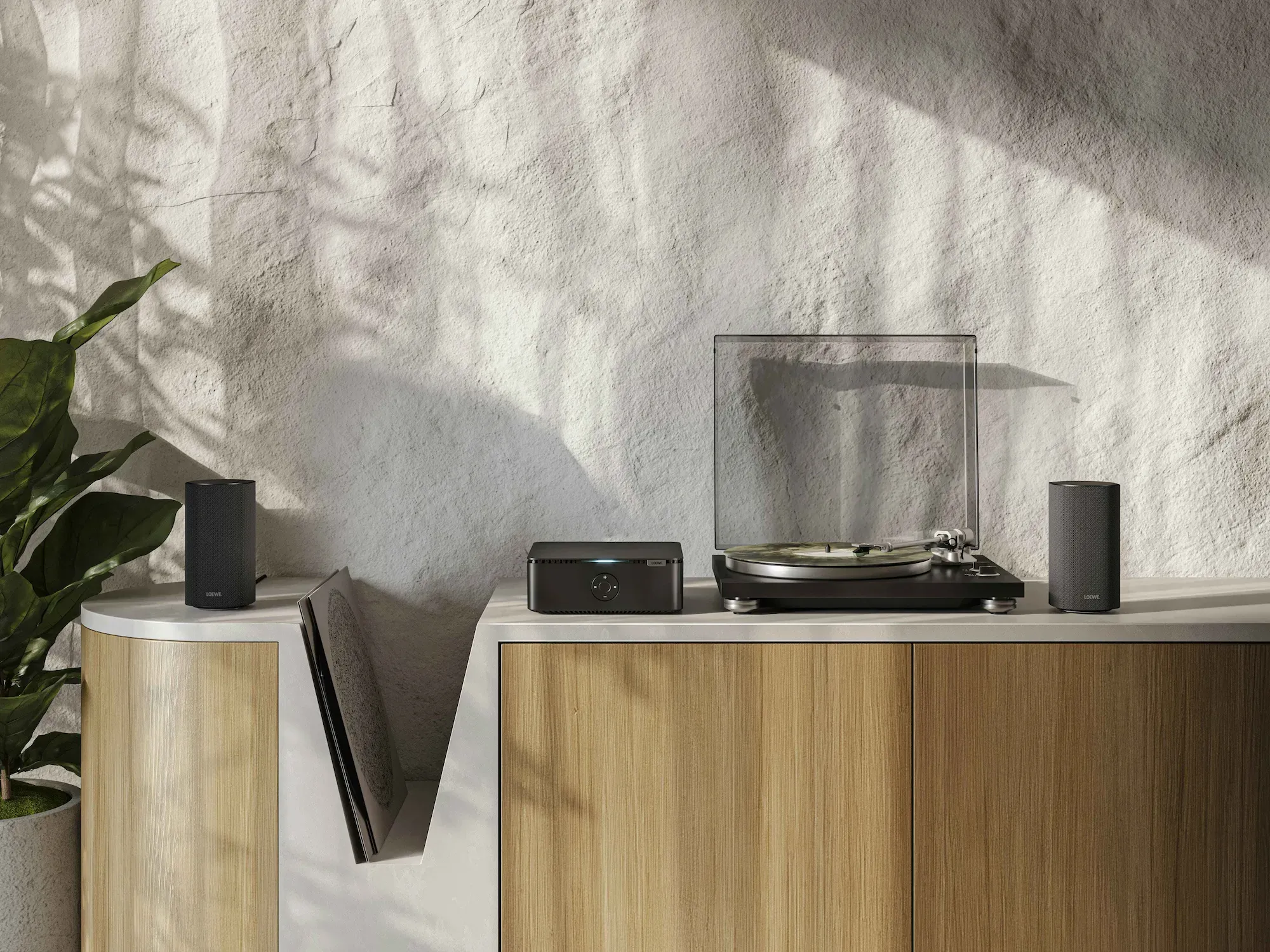
What is Interior Design? Fundamentals, Tasks & Significance
Interior design plays a role in numerous areas of our lives: from our homes to workspaces and the various locations where we spend time every day.
But what exactly is behind the term? Interior design is far more than just furnishing or decorating. It combines aesthetics, functionality, and technology into a well-thought-out overall concept.
In this post, you will learn what defines interior design, which tasks it covers, and why it is of great importance in everyday life.
What is Interior Design?
Interior design is far more than the mere design of interiors. It unites creative design with technical and practical aspects to create functional and aesthetic spaces.
The focus is placed on holistic planning that considers not only the appearance but also the use and well-being of the users.
Interior designers take aspects such as room layout, lighting conditions, acoustics, and the selection of materials into account to create a harmonious and productive environment.
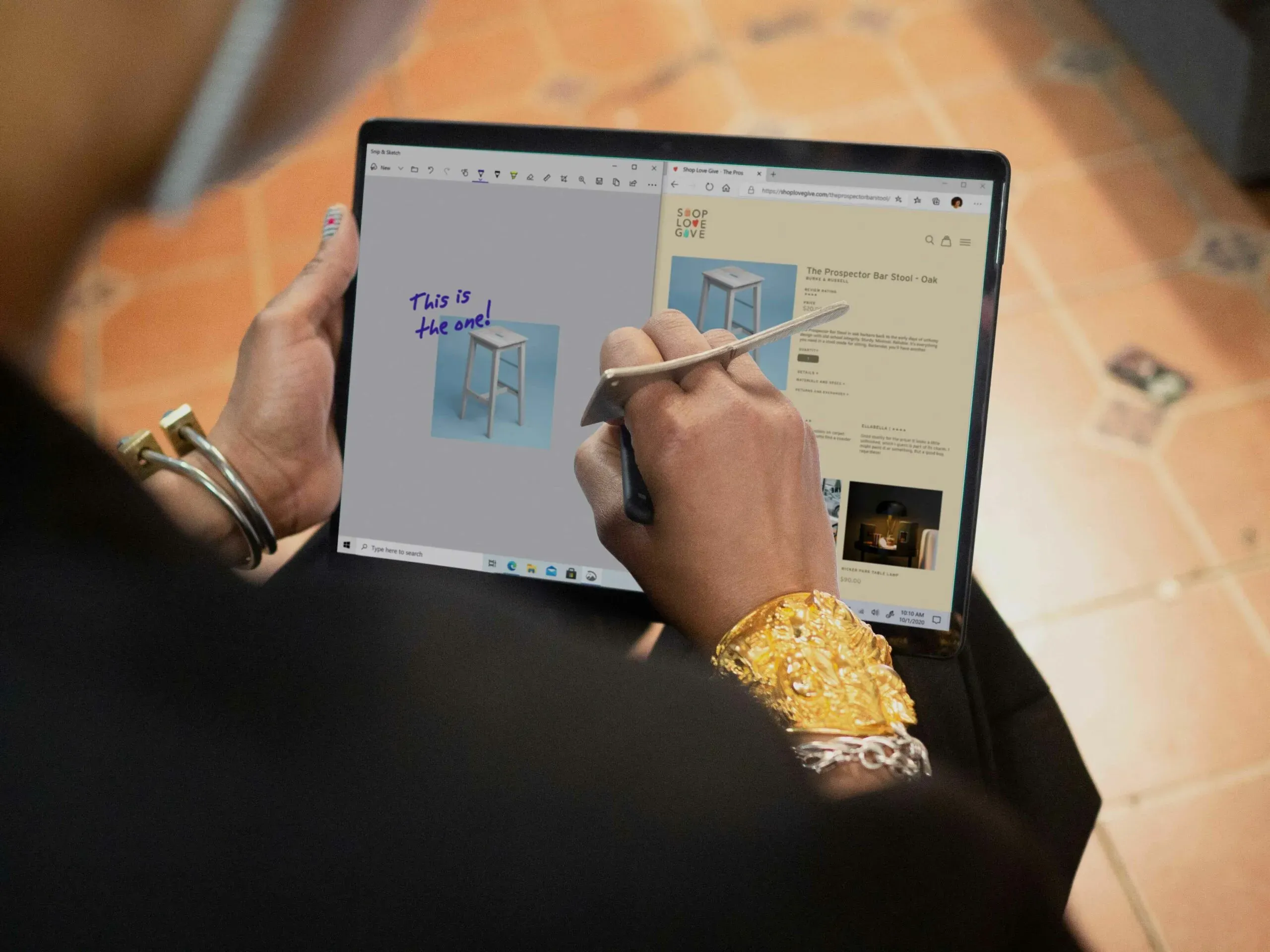
Interior design understanding: What defines it?
While the term interior design is often associated with interior decoration or furniture, it goes far beyond that.
Interior design encompasses the systematic planning and design of a space, where structural decisions such as room distribution and architecture are also considered.
It relies on a close collaboration between interior designers and architects to develop functional but simultaneously aesthetic and comfortable rooms.
In addition, the choice of sustainable materials and the optimization of space usage play an increasingly important role. The goal is not only to create a beautiful design but also to design spaces that meet the practical needs of the users and have long-term durability.
The significance of interior design in everyday life
Interior design has long ceased to be a luxury: it influences our everyday life in many ways.
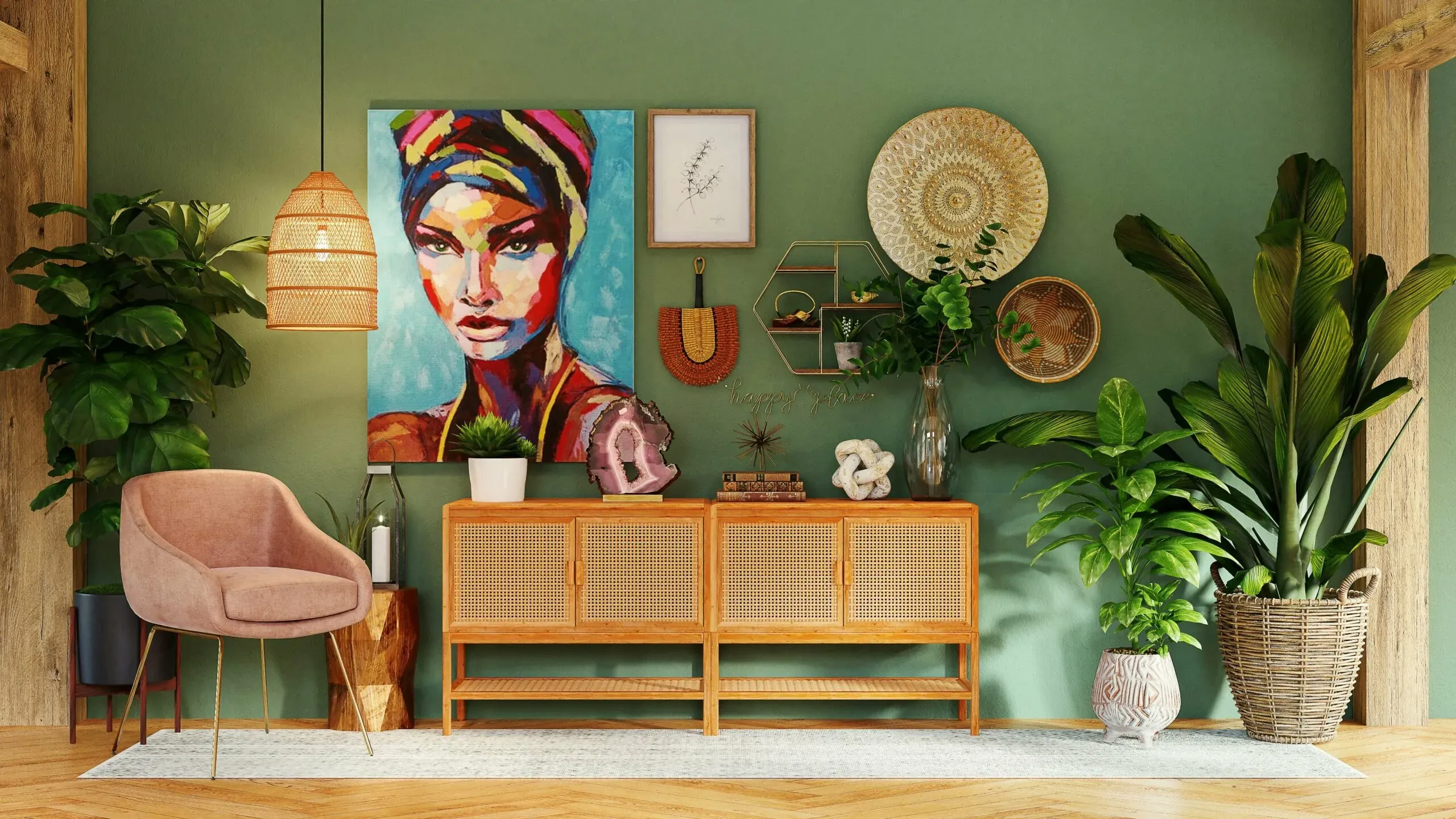
Whether at home, in the office, in a café, or in a waiting room: the design of a space has a direct influence on how we feel, behave, and even how productive or relaxed we are.
Good interior design thinks ahead: it reacts to needs, creates atmosphere, and can even convey a message.
Influence on well-being
Spaces affect us: sometimes unconsciously, but always palpably. Light, colors, materials, acoustics, and room layout influence our mood, concentration, and energy levels.
Interior design uses this knowledge specifically: in living spaces, it should convey security and calm; in work environments, it should promote structure and focus. A well-thought-out room design can help reduce stress, improve communication, and increase the overall quality of life.
This is particularly important in areas such as care, education, or health. In hospitals or therapy centers, for example, warm colors, natural materials, and daylight can be used specifically to create a calming environment.
But even in private living spaces, a harmonious design has a positive effect on emotional well-being: you feel arrived and safe.
Sustainable space design
Interior design also plays a decisive role in the topic of Sustainability. An environmentally conscious design begins with the choice of materials: durable, pollutant-free, and as locally produced as possible materials save resources and contribute to a healthy indoor climate.
Multifunctional furniture, flexible room solutions, or the repurposing of existing spaces are also part of a sustainable design approach.
Interior designers think long-term: they design spaces so that they function for years and can be adapted to new needs. This not only reduces material consumption but also saves costs and protects the environment.
Planning is about consciously dealing with energy, light, and areas instead of constantly building new or redesigning.
Interior design as a brand ambassador
Interior design can do much more than just look good: it can make values visible. For companies, hotels, restaurants, or practices, the interior is often the first impression that customers or patients receive.
This is where it is often decided in seconds whether one feels welcome, whether trust arises: or not. Interior design translates identity into space: colors, materials, shapes, and structures tell a story and make a brand tangible.
A well-thought-out design concept can help you stand out from competitors, strengthen customer loyalty, or convey a specific image: for example, professional, creative, modern, or close to nature. Interior designers translate these messages specifically into a room's impact: creating an atmosphere that not only looks beautiful but also works.
Application areas of interior design
Interior design meets us everywhere: often without us consciously perceiving it. Whether in a private home, in the office, in a restaurant, or in public institutions: everywhere people spend time, well-thought-out room design has an influence.
Depending on the context, very different requirements and objectives apply. Interior designers therefore always adapt their concepts individually to the respective area of application.
Living spaces
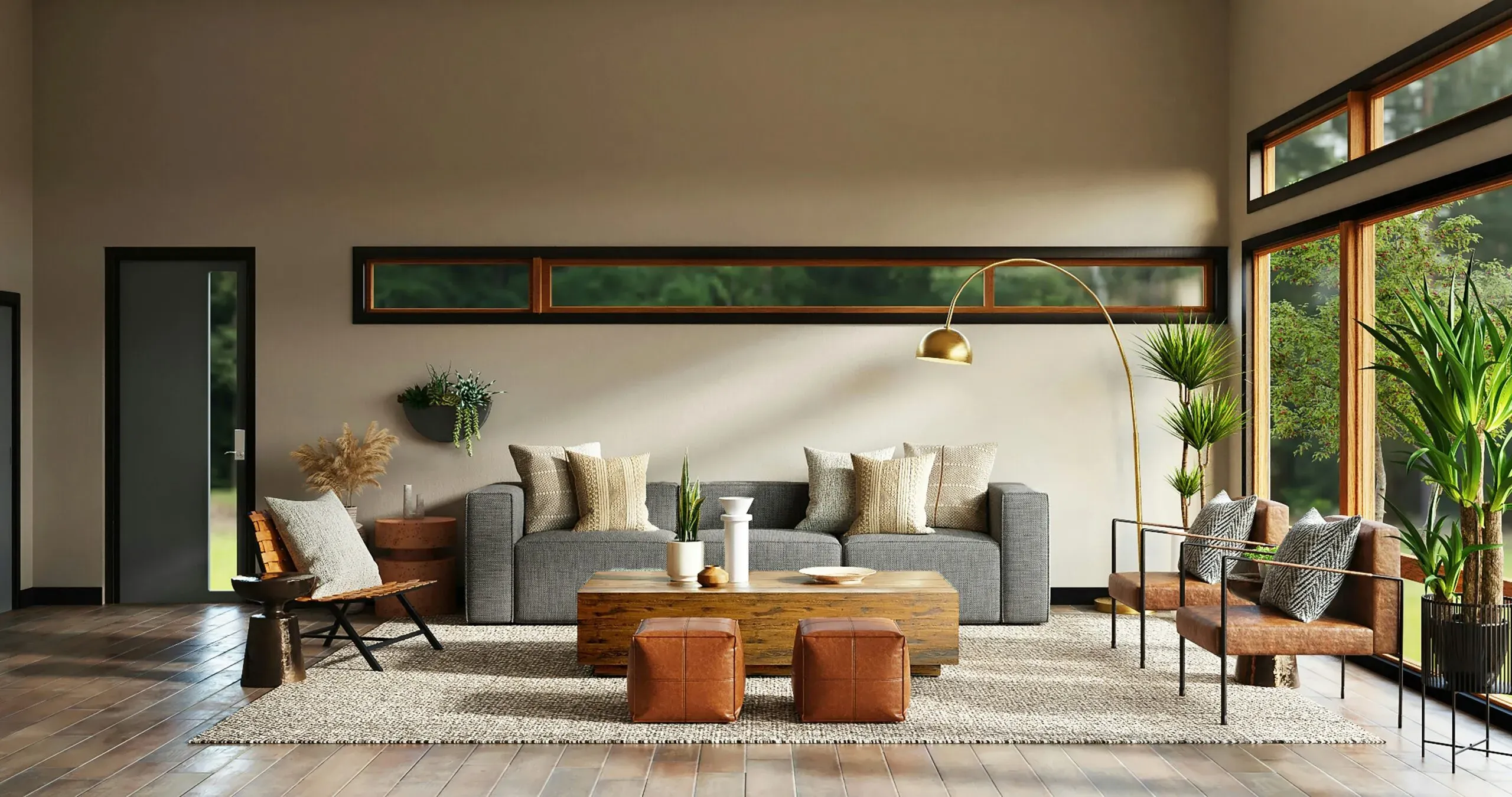
Interior designers design work environments that inspire and motivate.
Aspects such as acoustics, lighting, Ergonomics, and flexibility are in the foreground. Open room concepts, modular furniture, and quiet areas are just some of the means by which contemporary working worlds are realized.
Working Worlds
Modern offices today should achieve far more than just being functional. They should promote communication, provide places of retreat, increase productivity, and at the same time .
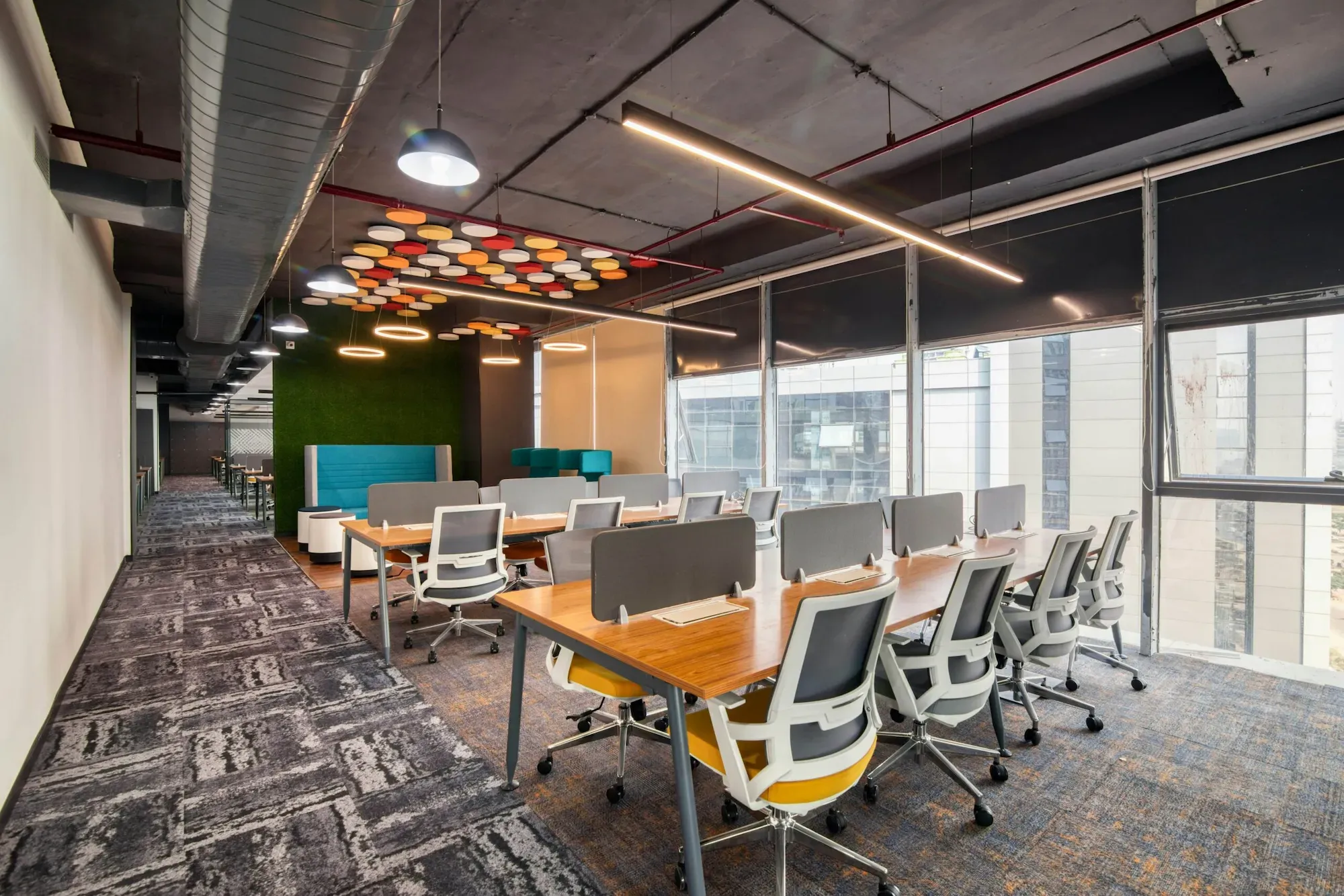
Interior designers design work environments that inspire and motivate.
In this process, aspects such as acoustics, lighting, ergonomics, and flexibility are in the foreground. Open room concepts, modular furniture, and quiet areas are just some of the means by which contemporary working worlds are realized.
Dabei stehen Aspekte wie Akustik, Lichtführung, Ergonomie und Flexibilität im Vordergrund. Offene Raumkonzepte, modulare Möbel und Ruhebereiche sind nur einige der Mittel, mit denen zeitgemäße Arbeitswelten realisiert werden.
Gastronomy and Hotels
In hotels, cafés, and restaurants, it's about creating experiences.
The room design contributes significantly to how guests perceive a place: whether cozy, elegant, creative, or exclusive.
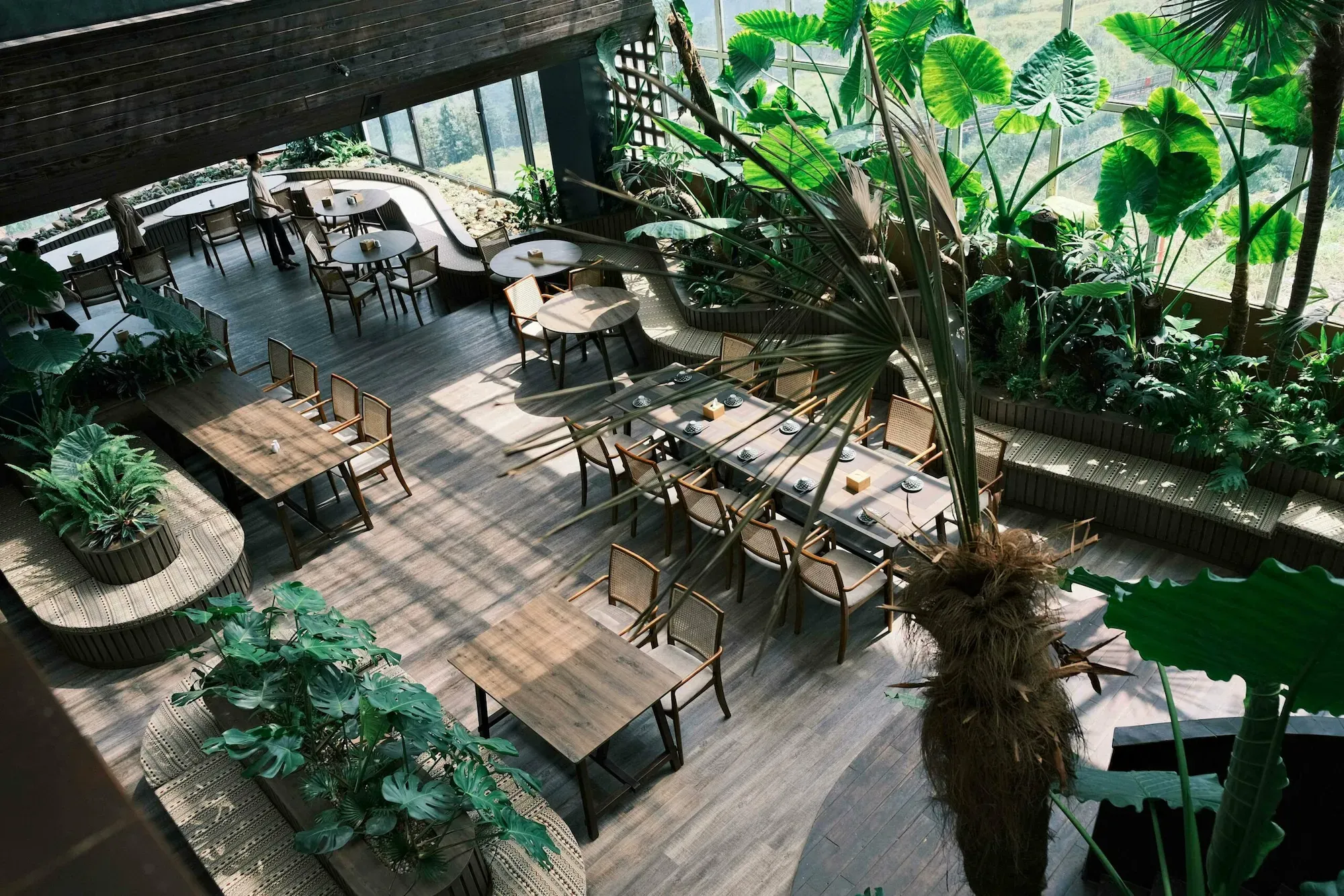
Interior design gives the brand character and makes the stay unforgettable. In gastronomy, besides the atmosphere, practical aspects such as walking paths, lighting, and acoustics must be right.
In the hotel industry, it is important to create spaces that are simultaneously comfortable, functional, and typical of the brand.
Public spaces
In educational institutions, libraries, hospitals, or authorities, interior design also plays an important role. Here, it is often about orientation, accessibility, and user-friendliness.
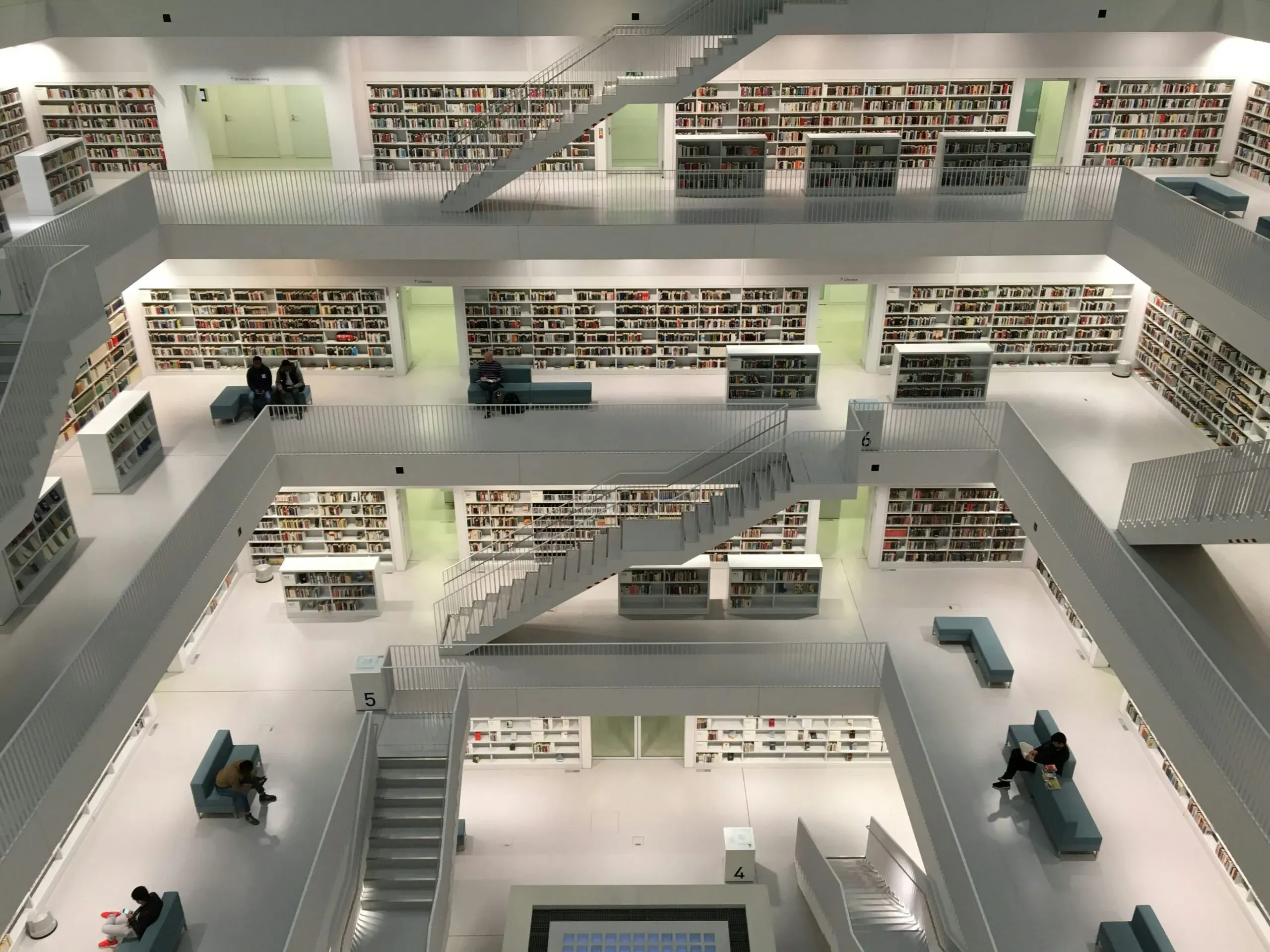
The challenge is to combine functional requirements with a pleasant room experience: for example, through clear guidance, well-thought-out light concepts, or robust but friendly materials.
Especially in public buildings, it is important that people from different backgrounds can find their way around and feel welcome.