
Interior Design Switzerland: How the Style is Evolving Nationally
Switzerland is known for its breathtaking landscapes, precise watchmaking, and high quality of life. However, in the field of interior design, the country is also increasingly setting standards.
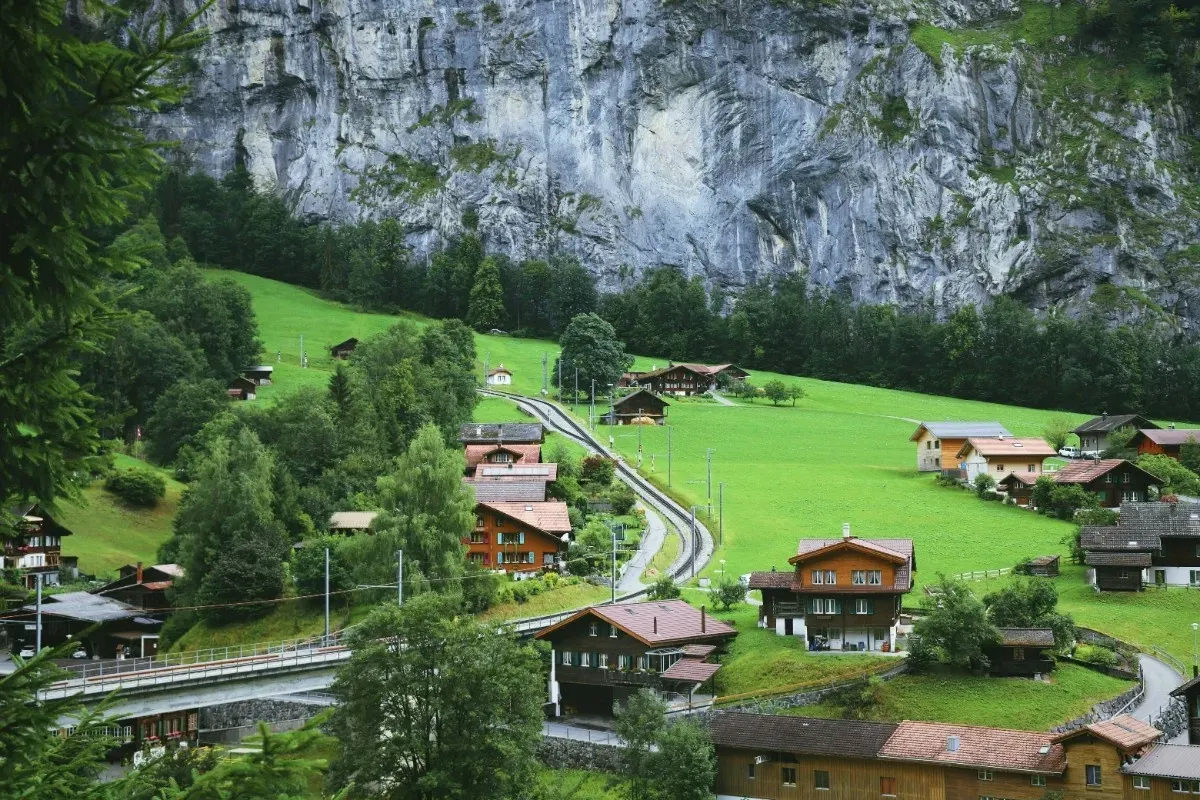
Between alpine comfort and urban elegance, a diverse living style is emerging that combines both tradition and modernity. But how has interior design in Switzerland developed over the years, and how is the style continuing to evolve?
The Origin: Traditions as a Creative Basis
Swiss interior design is deeply rooted in the country's artisanal and cultural traditions. Especially in rural regions and alpine areas, the design of interior spaces has always played a central role.
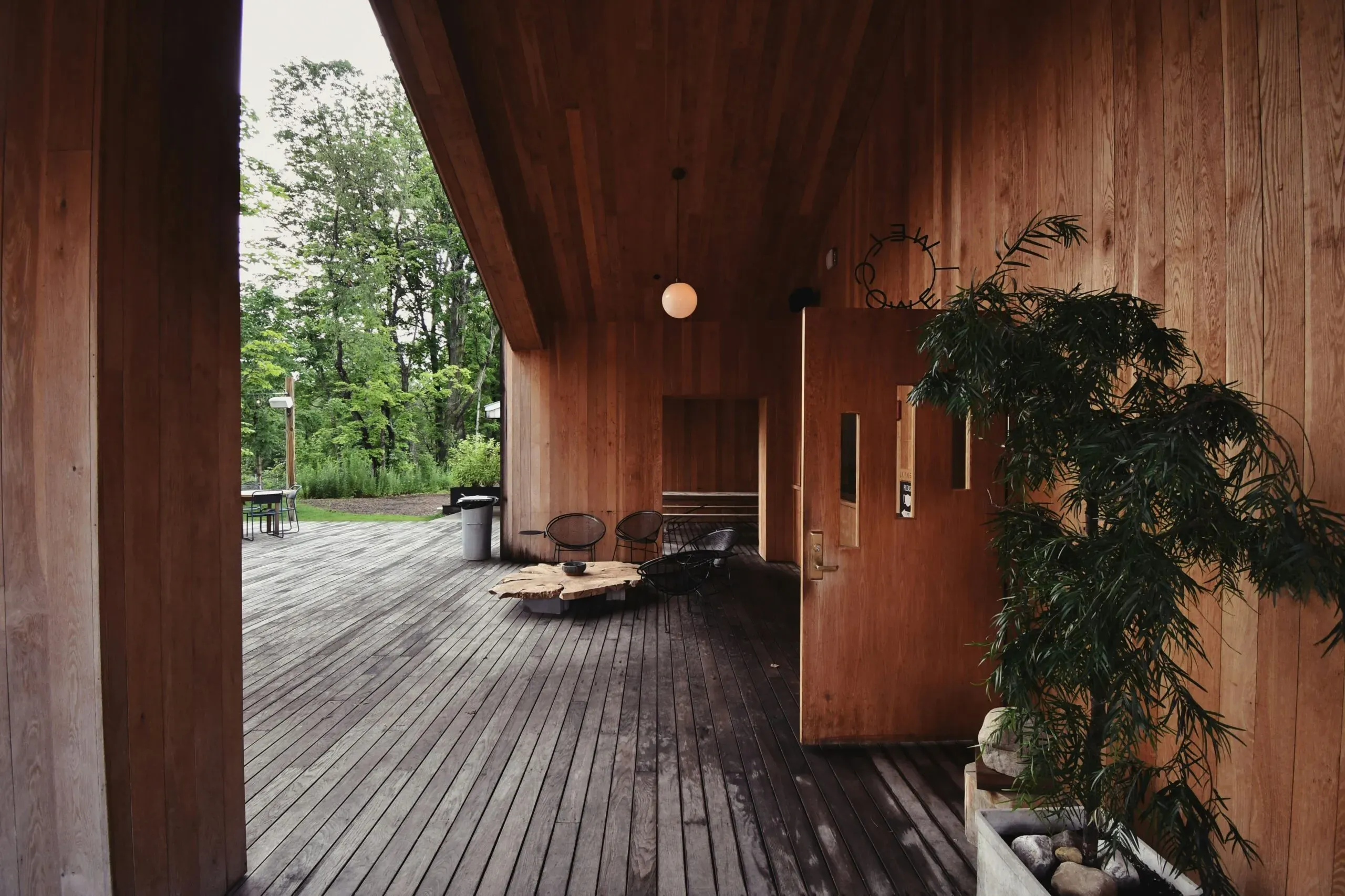
Residential houses were designed to not only offer protection from the cold but also to radiate warmth and security. Solid wood furniture, visible beam constructions, stone floors and woven textiles made of wool or linen characterized the image of traditional Swiss living culture for a long time.
These materials were not only locally available but were also processed with great care: a sign of respect toward nature and craftsmanship. The aesthetic was functional, simple, and durable. Rooms were designed to fit harmoniously into the alpine environment while simultaneously making everyday life easier.
Even today, many designers in Switzerland draw on these traditional elements: whether as a deliberate contrast in modern apartments or as a tribute to the country's cultural heritage. This creates an exciting dialogue between old and new that continues to shape interior design in Switzerland today.
When Culture Meets Space: The Influence of Regional Identity
Switzerland is a country of contrasts: linguistically, culturally, and scenically. This diversity is also reflected in interior design. Each language region brings its own creative preferences and influences, which are evident in materials, colors, and spatial concepts.
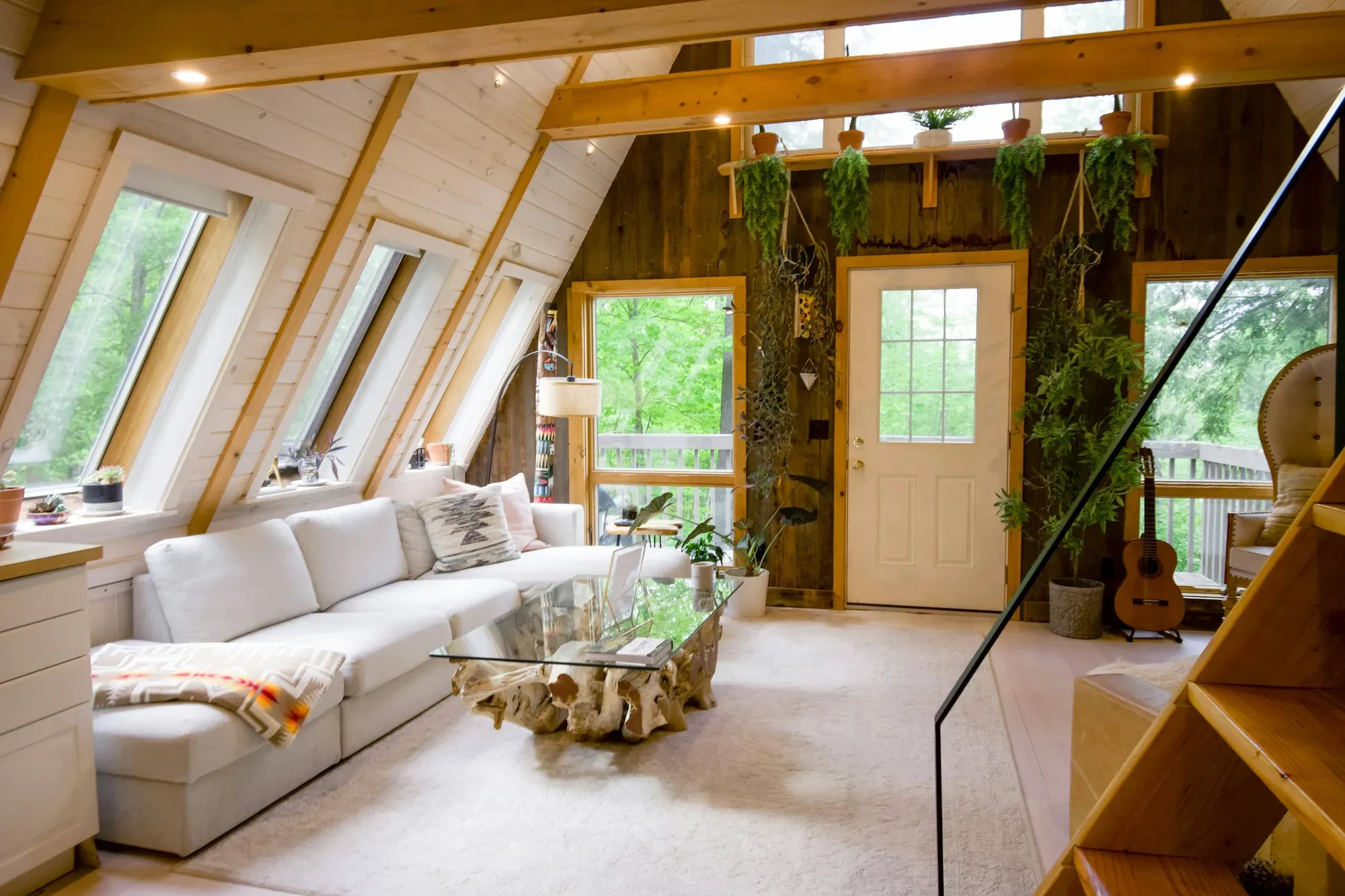
German-speaking Switzerland: Often dominated by a reduced, functional aesthetic. Clean lines, muted colors, and a strong orientation toward the Bauhaus style create rooms that radiate calm and structure. Design "Made in Germany" or from Scandinavia is particularly popular here: characterized by restraint and artisanal precision.
Romandie: The French-speaking part of Switzerland brings an elegant, sometimes playful note to interior design. French design classics, warm tones, curved shapes, and a touch of Art Deco characterize many living concepts. Here, the focus is often on the atmosphere: stylish, cozy, and with a certain chic.
Tessin: In the Italian-speaking south, the Mediterranean lifestyle becomes tangible. Terracotta colors, natural stone, wood, and light-filled rooms characterize the image. The interior design is open, lively, and close to nature. Indoor and outdoor spaces also merge more strongly here than in other regions.
These regional differences make interior design in Switzerland particularly exciting. They show how cultural identity, climatic conditions, and personal lifestyles influence the design of interior spaces.
Urban Change: The Role of the Cities
Cities are centers of change: they condense forms of life, accelerate trends, and bring together people with different needs and cultural backgrounds. This has a direct impact on the design of interior spaces.
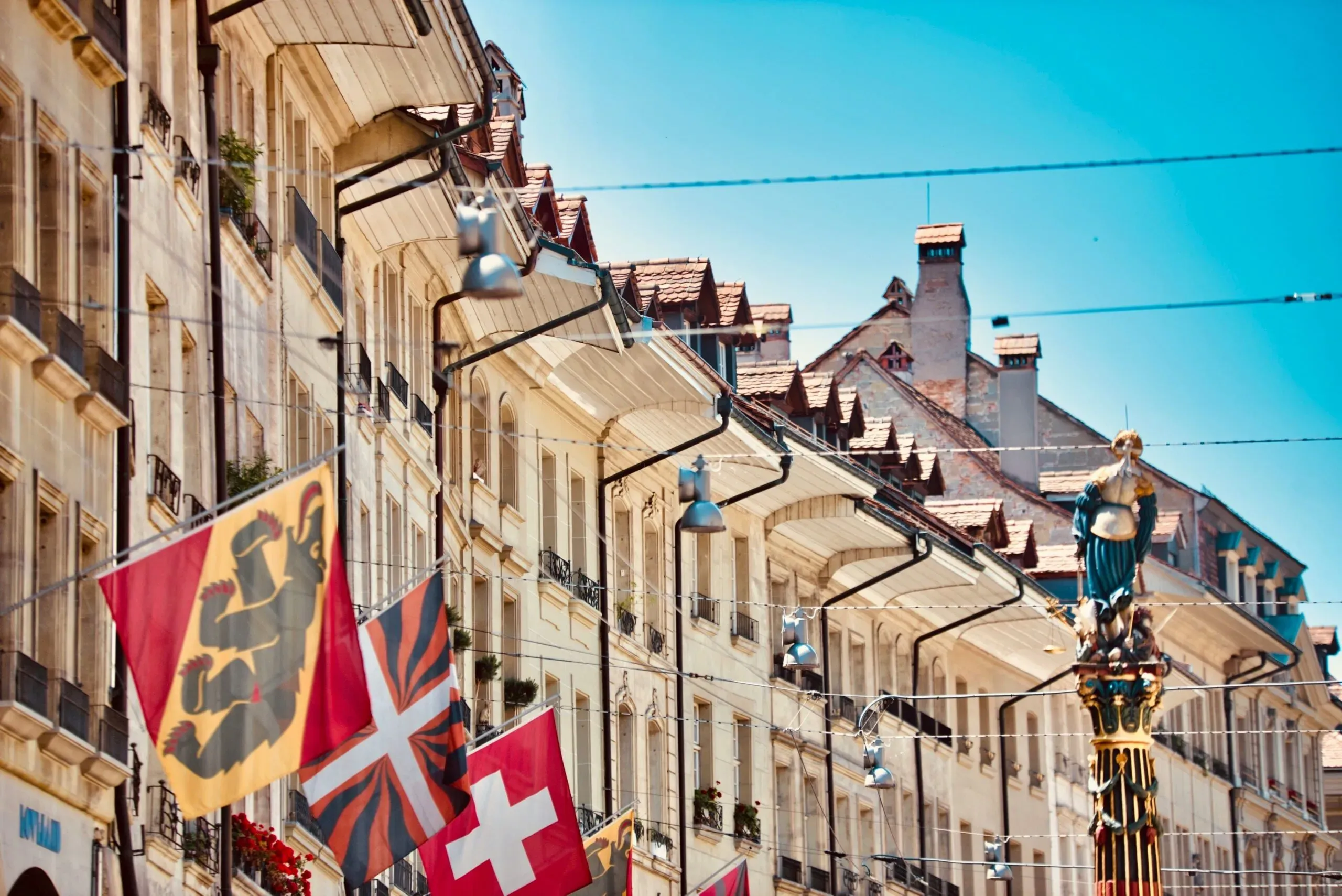
Cities as Trend Engines
Zurich, Basel, Bern, Lausanne, and Geneva are among the cultural and economic hotspots of Switzerland: and they significantly shape the development of interior design.
In these urban centers, new ideas and design currents emerge. International influences meet local identity here and create an inspiring field of tension for designers.
Living in Small Spaces: Flexibility is in Demand
Limited living space in the city requires intelligent design solutions. Therefore, multifunctional furniture, clever use of storage space, and open room concepts are increasingly important. Living, working, and leisure areas merge: especially in compact city apartments.
Interior design here becomes a tool that connects functionality with aesthetics.
International Styles in the Cityscape
Urban spaces in Switzerland are strongly influenced by global design trends. Particularly popular are:
- Scandinavian Minimalism: Light, simple, functional.
- Japandi Style: A mix of Japanese restraint and Nordic comfort.
- Industrial Design: Raw materials, open structures, urban character.
- Mid-Century Modern: Timeless shapes, warm wood types, iconic classics.
Sustainability and Quality in Focus
Even in the city, sustainable interior design is playing an increasingly important role. Many residents value regional products and recycled materials as well as durable furniture pieces.
Swiss brands as well as secondhand and vintage furniture are experiencing a real revival in urban households.
Old meets New: Exciting Contrasts
A particular charm of urban interior design lies in the combination of historical buildings with contemporary design.
Old apartments with high ceilings, stucco, and herringbone parquet are deliberately furnished in a modern style: with clean lines, restrained colors, and modern lighting. This break in style creates characterful rooms with personality.
Craftsmanship Meets High-Tech
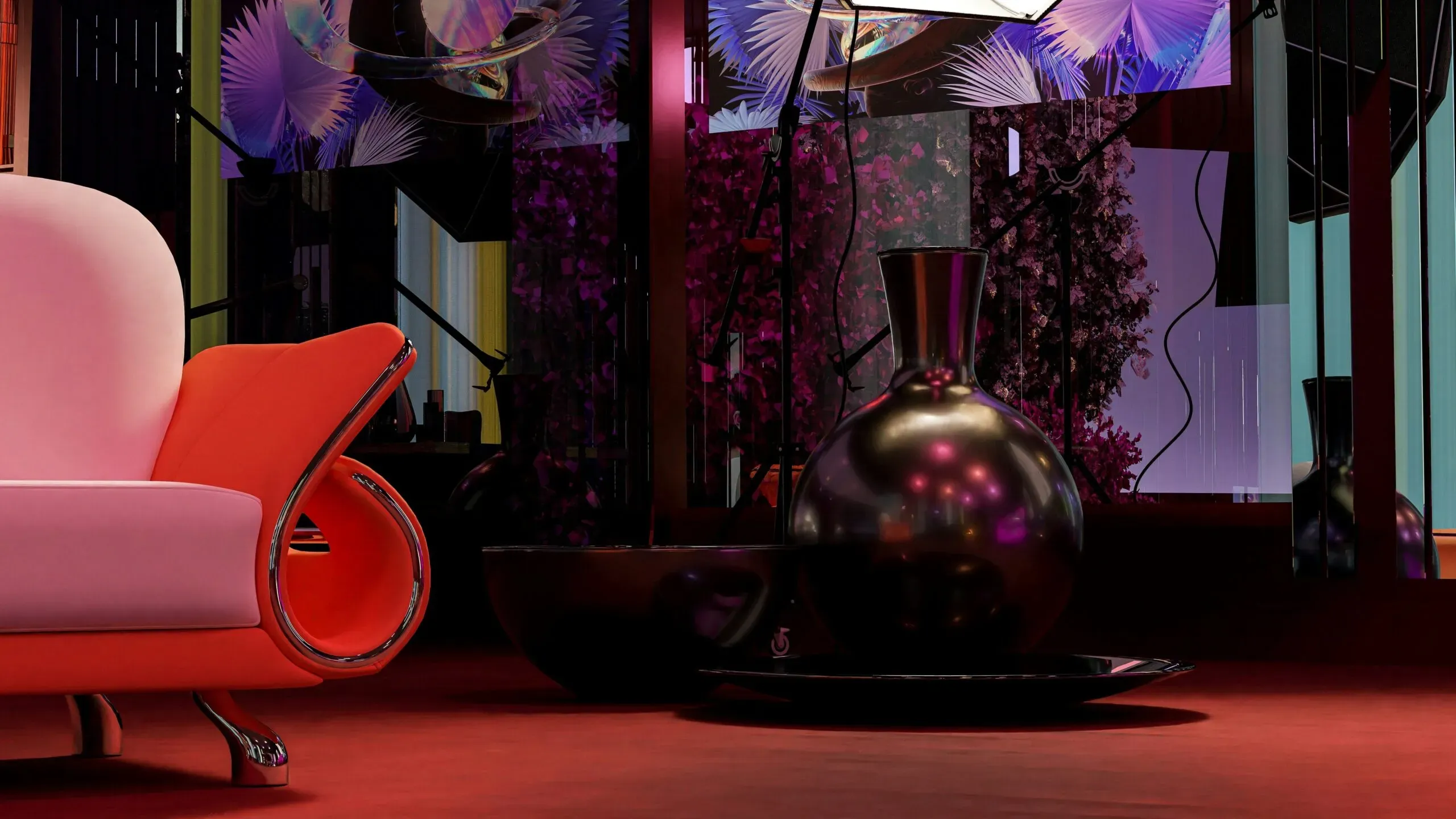
What used to be manufactured by hand in small workshops is today increasingly supplemented by digital processes: without losing the appreciation for the original craft.
Tradition with Substance
The artisanal heritage in Switzerland is deeply rooted. Whether carpentry, natural stone processing, textile art, or glass art: many design disciplines here have a long history.
These handcrafted elements give interiors not only character but also durability and substance. Swiss manufactories place great value on quality and regional materials.
Technology as a Design Partner
At the same time, more and more businesses are relying on digital tools to make their work more efficient.
CNC milling, 3D printing, laser cutting, or computer-aided design programs open up completely new possibilities in room planning and furniture manufacturing. Custom-made products can be implemented faster and more flexibly: without compromising on quality.
Especially in the field of Smart Home technologies, it is clear how closely technology and design work together today: lighting, temperature, acoustics, or security systems can be integrated seamlessly into the room concept.
Conclusion
Whether it is a historic apartment, a new construction project, or a commercial space: interior design in Switzerland offers a broad spectrum of possibilities.
By combining regional products and recycled materials with modern technology, designers create spaces that are both sustainable and cutting-edge.